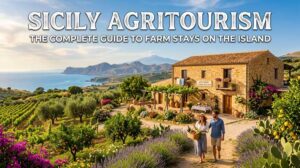
Sicily is a land where history, climate and culture come together to create one of the richest food traditions in the Mediterranean. From world-renowned wines to aromatic extra-virgin olive oils and centuries-old traditional recipes, the island offers an extraordinary variety of flavors shaped by fertile soils, volcanic landscapes and agricultural knowledge passed down through generations.
Whether you are visiting Sicily for the first time or living on the island, discovering its local wines, olive oils and typical products is an essential part of understanding Sicilian culture.
However, navigating this abundance can be overwhelming. Which wines should you try? What makes Sicilian olive oil unique? Which traditional foods truly represent the island?
This guide will help you explore the best Sicilian products, understand their characteristics and learn how to choose authentic local excellence.
Sicilian Wines: Tradition, Terroir and Indigenous Grapes
Sicily is one of the oldest wine-producing regions in Europe. The Phoenicians, Greeks and Romans cultivated vineyards here centuries ago, taking advantage of the island’s warm climate, volcanic soils and abundant sunshine.
Today, Sicilian wines are among the most dynamic in Italy. Modern producers combine ancient traditions with contemporary winemaking techniques, creating bottles that are appreciated all over the world.


Indigenous Sicilian Grape Varieties
One of the greatest strengths of Sicilian wine lies in its native grape varieties. These grapes express the island’s unique terroir and climate.
Nero d’Avola
The most famous Sicilian red wine grape. It produces structured wines with notes of cherry, plum and spices. Depending on the winemaking style, it can be fresh and fruity or rich and suitable for aging.
Frappato
A lighter and more elegant red wine, known for its floral aromas and red fruit notes. It is often used in blends but also produces delightful single-variety wines.
Nerello Mascalese
The flagship grape of the Etna region. Grown on volcanic soils, it creates refined wines with mineral complexity and remarkable freshness.
Catarratto
One of the most widely cultivated white grapes in Sicily. It produces fresh, floral wines that are easy to drink yet capable of surprising quality.
Grillo
A vibrant white grape with citrus and herbal aromas. Once mainly used for Marsala wine, it has become one of the most exciting Sicilian white varieties.
Zibibbo (Muscat of Alexandria)
Highly aromatic, this grape is used to produce both fragrant dry wines and the famous sweet Passito di Pantelleria.
👉SEE THE BEST SICILY WINE TASTING HERE
The Most Important Wine Regions in Sicily
Different areas of Sicily produce distinct wine styles due to variations in soil, altitude and microclimate.
Etna DOC
Located on the slopes of Mount Etna, this region produces some of the most prestigious Sicilian wines. Volcanic soils give wines elegance, minerality and remarkable aging potential.
Marsala and Western Sicily
This historic wine region is home to the famous fortified Marsala wine, known for its rich aromas of dried fruit, spices and honey.
Vittoria and Ragusa
This area produces Cerasuolo di Vittoria DOCG, the only Sicilian wine with Italy’s highest quality classification.
Pantelleria
A small volcanic island famous for its sweet Passito di Pantelleria, made from sun-dried Zibibbo grapes.
Menfi and Southwestern Sicily
Known for modern wineries producing elegant wines that are widely appreciated internationally.
How to Choose the Right Sicilian Wine
With so many options, choosing a Sicilian wine can feel overwhelming. Here is a simple guide:
Full-bodied red wines
- Nero d’Avola
- Etna Rosso
- Nerello Mascalese
Light and fresh reds
- Frappato
- Cerasuolo di Vittoria
Fresh white wines
- Catarratto
- young Grillo
Aromatic whites
- Zibibbo
Dessert wines
- Passito di Pantelleria
- aged Marsala
Sicilian Olive Oil: One of the Island’s Greatest Treasures
Extra-virgin olive oil is one of the pillars of Sicilian cuisine. Thanks to the island’s dry climate and rich biodiversity, Sicily produces oils with extremely diverse aromas—from delicate and floral to intense and peppery.


Main Sicilian Olive Cultivars
Nocellara del Belice
Produces intensely fruity oil with notes of tomato leaf and artichoke. It is also famous as a table olive.
Biancolilla
A delicate cultivar producing light oils with floral aromas.
Cerasuola
One of the oldest Sicilian varieties, producing robust oils perfect for everyday cooking.
Tonda Iblea
Typical of southeastern Sicily, known for distinctive notes of tomato, herbs and basil.
👉SEE THE BEST SICILY OLIVE OIL TASTING HERE
How to Recognize a High-Quality Sicilian Olive Oil
A true extra-virgin Sicilian olive oil should have:
- a bright green or golden color
- a fresh vegetal aroma
- a balanced bitterness and spiciness
- a clear label indicating cultivar and harvest year
Whenever possible, choose oils produced by small local mills or certified with DOP or IGP labels.
Typical Sicilian Products: A Journey Through Authentic Flavors
Beyond wine and olive oil, Sicily offers a vast range of traditional foods shaped by centuries of cultural influences—from Arab and Norman traditions to Mediterranean agriculture.


Traditional Sicilian Cheeses
Pecorino Siciliano DOP
One of the oldest cheeses in Italy, with intense flavor and excellent aging potential.
Ragusano DOP
A stretched-curd cheese with a distinctive rectangular shape and rich aroma.
Vastedda del Belice DOP
The only Italian stretched-curd cheese made from sheep’s milk.
Famous Sicilian Desserts
Cannoli
Crispy pastry shells filled with fresh sheep ricotta.
Cassata Siciliana
A colorful dessert combining ricotta, candied fruit and sponge cake.
Almond Paste Cookies
Soft sweets made from high-quality Sicilian almonds.
Granita and Brioche
A beloved Sicilian breakfast ritual, especially during summer.
👉SEE THE BEST SICILY COOKING CLASS HERE
Iconic Agricultural Products
- Bronte Pistachio DOP
- Avola Almonds
- Pachino Tomatoes IGP
- Caponata
- Trapani-style cous cous
These foods represent the diversity of Sicily’s landscapes and culinary traditions.
How to Choose Authentic Sicilian Products
When buying Sicilian food products, keep these tips in mind.
Understand Certifications
DOP (Protected Designation of Origin)
Guarantees that production and processing occur in a specific area.
IGP (Protected Geographical Indication)
Ensures geographical origin and quality.
DOC / DOCG for wines
Indicates strict production rules and regional identity.
Read the Label Carefully
Check for:
- production area
- grape variety or olive cultivar
- vintage year
- certifications
- producer information
Support Local Producers
Small wineries, olive mills and traditional pastry shops often produce the most authentic products.
Taste Products at Their Source
Wine tastes different when enjoyed in a vineyard on Mount Etna. Olive oil reveals its full aroma when tasted at a local mill. And pistachio desserts are unforgettable when eaten in Bronte.
Experiencing food where it is produced is one of the best ways to understand Sicily.
Discovering Sicily Through Its Flavors
Exploring Sicilian wines, olive oils and traditional products is more than a culinary experience—it is a journey through the island’s culture and history.
Each bottle of wine, each drop of olive oil and each traditional recipe tells a story shaped by volcanic landscapes, sea breezes and centuries of agricultural tradition.
For travelers, food lovers and anyone fascinated by Mediterranean culture, discovering these flavors is one of the most authentic ways to experience Sicily.